
What Happens at a Dental Implant Consultation?
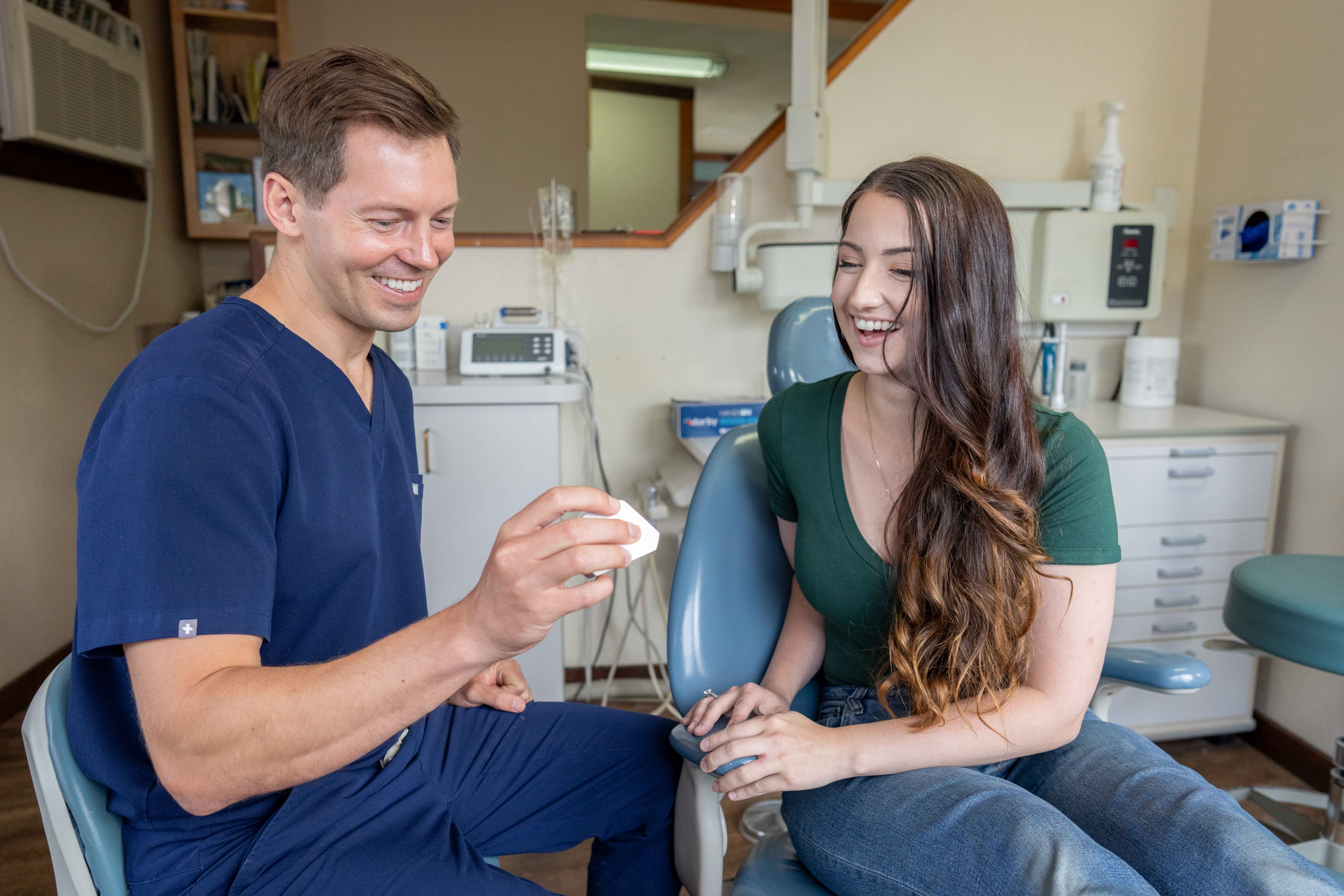
Your goals guide the consultation
An implant consultation is not simply a yes-or-no appointment. It is a structured evaluation of the tooth or teeth being replaced, your oral and general health, available bone, bite, smile, timeline, and expectations for the final restoration.
Tell the dentist what is most important to you. Priorities may include comfortable chewing, replacing a visible tooth, improving denture stability, avoiding removable treatment, or understanding whether a failing tooth can be removed and replaced.
Health history and risk review
The team will review medications, allergies, previous surgeries, healing concerns, tobacco use, and medical conditions that may affect implant treatment. This information helps determine whether additional records or medical coordination are needed before scheduling surgery.
Bring a current medication list and be prepared to discuss past dental experiences. If anxiety is a concern, Dr. Shimp can also review whether an IV or oral sedation option may be appropriate for the planned procedure and your health history.
Examination and imaging
The clinical exam looks at the proposed implant site, neighboring teeth, gum health, bite, and the space available for the final tooth. X-rays or three-dimensional imaging may be recommended to evaluate bone and nearby anatomy in greater detail.
If a tooth still needs to be removed, the dentist will discuss whether implant placement or bone grafting may be considered at the time of extraction or after a period of healing. The sequence depends on the condition of the site and your individual plan.
A complete plan includes the restoration
The implant is the foundation; the crown, bridge, or denture is the part that restores appearance and function. Your treatment discussion should include both phases, along with provisional options when appropriate, expected healing checkpoints, and how the final restoration will be maintained.
You will also have an opportunity to review estimated visits, fees, insurance questions, and alternatives. A bridge, removable appliance, or another restorative plan may deserve consideration depending on your priorities.
Leave with clear next steps
By the end of the consultation, you should understand the recommended sequence and any records still needed. Treatment recommendations and timelines vary, so an in-person exam is the best way to get information that applies to your mouth rather than a general estimate.
This article provides general dental information and is not a diagnosis or a substitute for an in-person examination. Treatment recommendations, eligibility, and recovery instructions vary by patient.
Questions about your dental care?
Schedule a personal consultation at Red Bluff Dental Care.