
IV and Oral Sedation Dentistry: What Patients Should Know
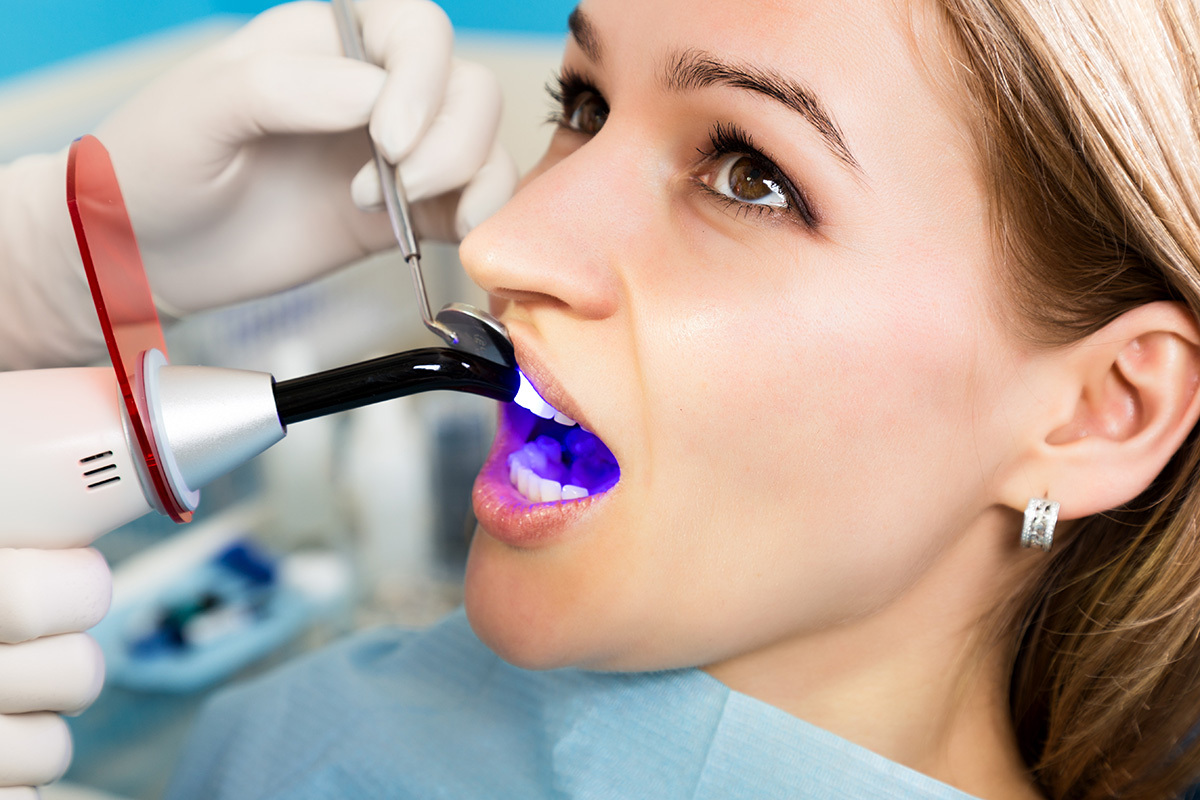
Sedation is one part of a personalized care plan
Dental sedation may help appropriate patients feel more relaxed during treatment. The right approach depends on the procedure, anxiety level, health history, medications, allergies, and the depth of sedation needed for safe, comfortable care.
Local anesthetic and sedation have different jobs. Local anesthetic numbs the treatment area, while a sedative is used to reduce awareness or anxiety. Your dentist will explain which medications are being considered and what you can expect during the visit.
Oral and IV sedation are different
Oral sedation is taken by mouth before treatment and has a less adjustable onset once it has been given. IV sedation is delivered through a vein, allowing medication to be administered and adjusted during the procedure. Neither option is automatically right for every patient or every appointment.
Dr. Shimp offers IV and oral sedation for appropriate patients across a range of dental procedures. A consultation is required to select an option and determine whether treatment can be provided safely in the office.
Why your medical history matters
Sedation planning includes a careful review of medical conditions, previous anesthesia experiences, allergies, pregnancy status, tobacco or cannabis use, alcohol use, and all prescription and nonprescription medications. Do not stop or change a medication unless the prescribing clinician and dental team direct you to do so.
The team may request information from another healthcare professional when a condition or medication needs clarification. This coordination is an important part of responsible sedation care.
Preparing for the appointment
Your instructions will be specific to the medication and procedure. Follow the office directions exactly, even if they differ from instructions you received for a previous appointment.
- Confirm fasting and medication instructions before the day of treatment
- Arrange for a responsible adult to drive you and follow the discharge instructions
- Wear comfortable clothing and arrive at the requested time
- Plan to rest and avoid driving, work, alcohol, or important decisions for the time directed
Ask questions before treatment day
A sedation consultation should leave you with written preparation and recovery instructions, an understanding of the planned level of sedation, and a clear way to contact the office with questions. Individual eligibility and instructions require an in-person evaluation.
This article provides general dental information and is not a diagnosis or a substitute for an in-person examination. Treatment recommendations, eligibility, and recovery instructions vary by patient.
Questions about your dental care?
Schedule a personal consultation at Red Bluff Dental Care.