
Root Canal vs. Tooth Extraction: How Do Dentists Decide?
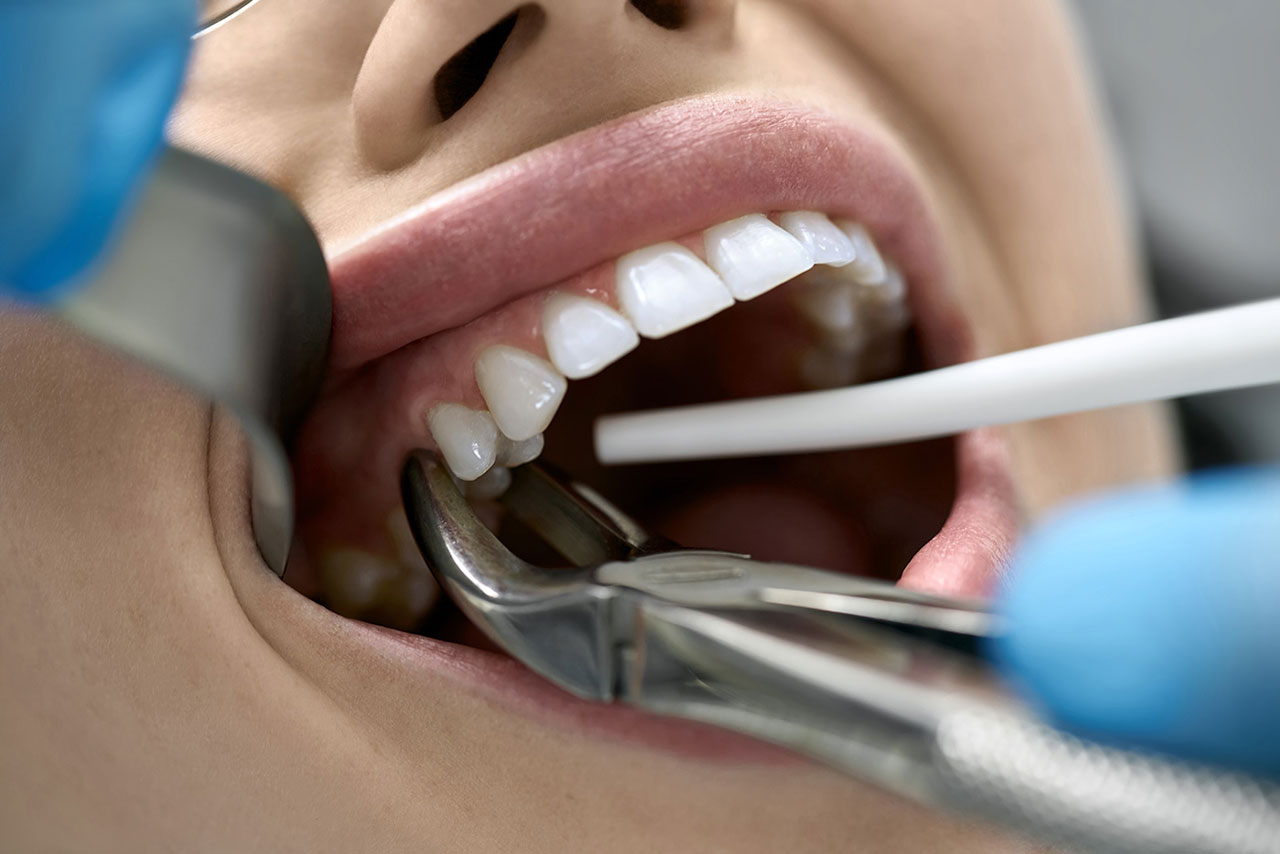
When a badly damaged or infected tooth starts causing problems, one of the first questions patients often have is simple: Can the tooth be saved, or does it need to come out? The answer depends on much more than whether the tooth hurts. Dentists consider the amount of healthy tooth structure remaining, the condition of the root, the surrounding bone and gums, the extent of infection, and whether the tooth can be predictably restored.
In some situations, root canal treatment can preserve a natural tooth affected by deep decay, infection, or injury. In other situations, keeping the tooth may not provide a predictable long-term result, and extraction may be the more appropriate treatment. Understanding why these options differ can make the treatment conversation much easier.
What Is the Main Difference Between a Root Canal and an Extraction?
A root canal and a tooth extraction solve dental problems in fundamentally different ways. Root canal treatment is designed to preserve the tooth. An extraction removes it.
Inside every natural tooth is a space containing soft tissue known as the pulp. If deep decay, cracks, trauma, or another problem allows bacteria to reach this area, the pulp can become inflamed or infected. Root canal treatment removes the affected tissue from inside the tooth, cleans and seals the internal space, and allows the remaining tooth structure to be restored.
An extraction, meanwhile, removes the tooth from its socket. Red Bluff Dental Care provides routine and surgical tooth extractions when removal is considered the appropriate part of a patient’s treatment plan.
Neither procedure should automatically be considered better in every situation. The goal is to choose the treatment that makes sense for the condition of the individual tooth and your overall oral health.
When Might a Root Canal Be Recommended?
Root canal therapy may be considered when the internal tissue of a tooth is infected or significantly inflamed but enough healthy tooth structure remains to make restoration practical.
For example, a cavity can gradually progress through the hard outer layers of a tooth. If it reaches the pulp, a simple filling may no longer address the problem. Likewise, trauma can damage the pulp even when the outside of the tooth initially appears relatively intact.
Symptoms can vary. Some patients experience a significant toothache, prolonged sensitivity to temperature, discomfort while chewing, swelling, or tenderness. However, symptoms alone do not determine whether a root canal is needed. A dental examination and appropriate imaging are important for understanding what is actually happening.
After root canal treatment, the tooth usually needs an appropriate restoration to protect it and restore function. The exact restoration depends on the location of the tooth, how much tooth structure remains, and other clinical considerations.
When Might a Tooth Need to Be Extracted?
Saving natural teeth is often desirable, but not every tooth can be predictably restored. A tooth may have extensive structural damage, a severe fracture, advanced decay, inadequate support, or another condition that makes extraction the more reasonable option.
Sometimes extraction is also part of a larger treatment plan. For example, removing a tooth that cannot be saved may create an opportunity to plan a future replacement. Depending on the circumstances, replacement options can include dental implants, bridges, partial dentures, or other solutions.
Importantly, removing a tooth does not automatically mean it must be replaced in exactly the same way for every patient. Tooth position, bite, bone, neighboring teeth, health history, goals, and budget can all influence the discussion.
How Does a Dentist Decide Whether a Tooth Can Be Saved?
The decision begins with diagnosis. Your dentist needs to determine why the tooth is causing trouble and whether treating that underlying problem is likely to produce a useful, maintainable tooth.
The amount of remaining tooth structure is an important factor. Root canal therapy can treat infection inside a tooth, but it cannot make a severely fractured or structurally hopeless tooth whole by itself. There must still be a realistic way to restore the tooth after the internal treatment is completed.
Periodontal support matters as well. A tooth depends on healthy surrounding tissues and bone. Therefore, the condition of those structures is considered along with the tooth itself.
Cracks are another consideration. Some cracks may be manageable, while others extend into areas that significantly affect the prognosis. Their location and severity can influence whether saving the tooth is practical.
Finally, your overall treatment plan matters. Dentists do not evaluate teeth as isolated objects. How a tooth functions with neighboring and opposing teeth, and how it fits into your long-term oral health goals, can influence the recommendation.
Benefits of Root Canal Treatment
- Preserves the natural tooth: When appropriate, root canal therapy allows you to retain your existing tooth rather than remove it.
- Addresses infection inside the tooth: The affected internal tissue is removed and the space is cleaned and sealed.
- Supports normal function: Once properly restored, the tooth can continue contributing to your bite and chewing.
- Avoids an immediate tooth-replacement decision: Because the natural tooth remains, extraction-related replacement planning may not be necessary.
- Can relieve symptoms caused by an infected pulp: Treating the source of inflammation or infection can help resolve the dental problem responsible for discomfort.
Benefits of Tooth Extraction When Removal Is Appropriate
- Removes a tooth that cannot be predictably restored: Extraction can address teeth with extensive damage or poor prognosis.
- Eliminates the diseased tooth from the site: The problem tooth is physically removed rather than retained.
- Creates options for future replacement: Dental implants, dentures, bridges, or other approaches may be considered depending on your needs.
- Can support a broader treatment plan: In some situations, removal may be necessary before another restorative or surgical phase can begin.
What Happens If You Choose an Extraction?
If extraction is recommended, your dentist can explain the type of removal needed, comfort options, recovery expectations, and whether replacing the tooth should be considered.
Replacement planning is particularly important for teeth that contribute significantly to chewing, appearance, or bite stability. Dental implants are one option for replacing certain missing teeth. An implant is placed in the jawbone and can eventually support an appropriate dental restoration.
However, implant treatment requires adequate supporting bone. If bone volume is insufficient, bone grafting may sometimes be discussed as part of the treatment plan. This is another reason it can be helpful to discuss the future before a tooth is removed, rather than considering extraction and replacement as completely separate decisions.
Is a Root Canal More Painful Than an Extraction?
Both procedures are performed with attention to patient comfort. The experience varies depending on the condition of the tooth, the complexity of treatment, individual sensitivity, and other factors.
One reason root canals have developed an intimidating reputation is that patients often seek treatment after a tooth has already become painful. In that situation, the infection or inflammation is usually the source of the original discomfort, rather than the purpose of treatment being to create pain.
If dental anxiety or procedural comfort is a significant concern, discuss it before treatment. Red Bluff Dental Care also offers IV and oral sedation for appropriate patients and procedures after evaluation.
Should You Automatically Extract a Tooth Because It Seems Cheaper or Faster?
It is worth considering the entire treatment path before comparing only the first procedure. Extraction removes the tooth, but if you plan to replace that tooth afterward, additional treatment may be involved.
Conversely, spending money to save a tooth that cannot be predictably restored may not be sensible either. This is why treatment decisions are best based on diagnosis and prognosis, not on a general rule that saving or removing teeth is always preferable.
Ask your dentist what is wrong with the tooth, whether it can be restored, what its expected prognosis is, and what would happen after each option. Those questions can help you compare the full picture.
Questions to Ask Before Making Your Decision
Before deciding between root canal treatment and extraction, ask whether the tooth is restorable, what additional treatment would be needed after a root canal, and what replacement options would be appropriate if the tooth were removed.
You may also want to ask about expected treatment timing, healing, maintenance, comfort options, and costs. Clear information allows you to make a decision based on your own priorities while understanding the clinical considerations involved.
Finding the Right Treatment for Your Tooth
A painful or damaged tooth does not automatically mean extraction, and it does not automatically mean root canal therapy. The right approach depends on what an examination and imaging reveal. When a natural tooth can be predictably saved, root canal treatment may offer a valuable path forward. When the tooth cannot be restored reliably, extraction and appropriate replacement planning may provide a better route.
If you have a damaged, painful, or infected tooth, call Red Bluff Dental Care at (530) 527-2877 to Schedule a Consultation at 445 Elm Street in Red Bluff, CA.
Frequently Asked Questions About Root Canals and Extractions
Is it always better to save a natural tooth?
Preserving a natural tooth can be desirable when the tooth has a reasonable prognosis and can be restored. However, extraction may be appropriate when damage or other conditions make predictable restoration unlikely.
Can an extracted tooth be replaced with a dental implant?
Dental implants can replace certain missing teeth, but candidacy depends on oral health, bone support, medical considerations, and treatment planning.
Does every infected tooth need a root canal?
Not necessarily. Treatment depends on the diagnosis, condition of the tooth, and whether it can be predictably restored. Some teeth may require extraction instead.
How do I know which option is right for me?
A dental examination and appropriate imaging are needed to evaluate the tooth, surrounding tissues, extent of damage, and possible treatment options.
This article provides general dental information and is not a diagnosis or a substitute for an in-person examination. Treatment recommendations, eligibility, and recovery instructions vary by patient.
Questions about your dental care?
Schedule a personal consultation at Red Bluff Dental Care.