
How Long Do Dental Fillings Last? Signs You May Need a Replacement
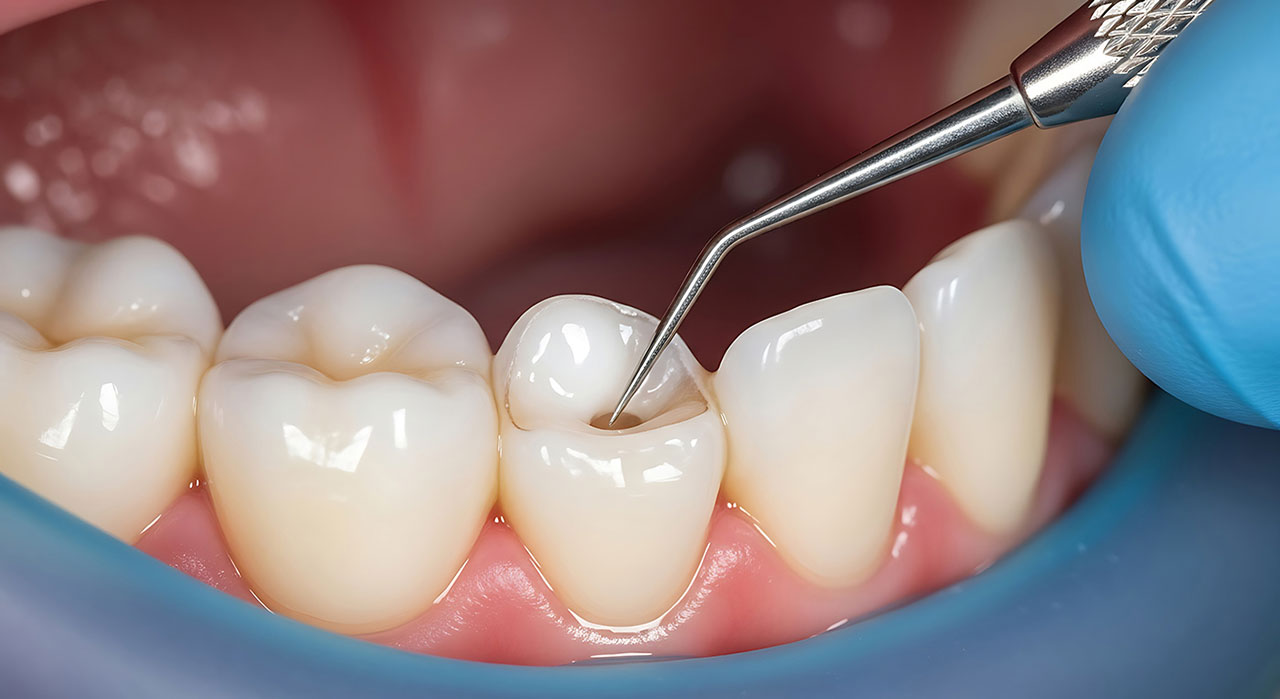
Have you ever wondered whether a dental filling you received years ago is still doing its job? Dental fillings are designed to repair teeth affected by decay or minor damage, but they are not necessarily permanent. Over time, normal chewing forces, changes in the surrounding tooth, and everyday wear can affect how well a filling performs. The good news is that regular dental care can help identify potential problems before they become more serious.
At Red Bluff Dental Care, patients can receive cavity and filling treatment to restore teeth affected by decay. Understanding how long dental fillings last, what affects their durability, and when replacement may be necessary can help you make informed decisions about your oral health. Whether your filling is relatively new or has been in place for decades, knowing what to watch for is an important part of maintaining a healthy smile.
What Is a Dental Filling?
A dental filling is a restoration used to repair a tooth after damaged or decayed material has been removed. The filling replaces the missing portion of the tooth, helping restore its shape, function, and ability to withstand normal chewing forces.
Fillings are commonly used to treat cavities, although they may also repair certain small chips or areas of wear. The material selected depends on the tooth’s location, the amount of damage, functional requirements, and other individual considerations.
One common option is composite resin, a tooth-colored material that can be shaped and bonded to the remaining tooth structure. Other materials, including amalgam and certain indirect restorative materials, may be encountered in existing dental work.
Although fillings are durable, they remain exposed to daily forces from chewing, temperature changes, and the natural environment of the mouth. Therefore, even a well-placed restoration should be monitored during routine dental examinations.
How Long Do Dental Fillings Typically Last?
There is no universal expiration date for dental fillings. Some restorations remain functional for many years, while others require replacement sooner because of wear, recurrent decay, fractures, or changes in the surrounding tooth.
Composite fillings may last approximately five to ten years or longer, depending on their size, placement, oral hygiene, and the forces they experience. Amalgam fillings can also remain functional for many years, sometimes exceeding a decade.
However, these estimates are not guarantees. A small filling in a tooth that experiences relatively modest chewing pressure may perform differently from a large restoration in a back molar. Likewise, a patient who grinds their teeth may place additional stress on dental restorations.
Importantly, a filling does not automatically need replacement simply because it has reached a certain age. If the restoration remains intact, the surrounding tooth is healthy, and there is no evidence of a problem, your dentist may recommend continued monitoring rather than unnecessary treatment.
What Factors Affect the Lifespan of Dental Fillings?
Several factors influence how long a dental filling remains effective. Understanding these factors can help explain why two patients with similar restorations may have different experiences.
Size and Location of the Filling
Large fillings generally replace more natural tooth structure than smaller restorations. As a result, they may experience different stresses during chewing. Fillings in molars also encounter substantial biting forces, especially when eating firm or crunchy foods.
Daily Oral Hygiene
Good brushing and interdental cleaning help reduce plaque accumulation around the edges of fillings. Although the filling material itself does not develop a cavity, the natural tooth around it can still decay.
Teeth Grinding and Clenching
Repeated grinding or clenching may increase pressure on both natural teeth and restorations. Over time, excessive forces can contribute to wear, cracks, or other complications.
Diet and Eating Habits
Frequently chewing ice or very hard objects can place unnecessary stress on dental work. Additionally, frequent consumption of sugary foods and beverages may increase the risk of new decay around existing restorations.
Regular Dental Examinations
Professional monitoring helps identify changes that may not be visible or noticeable at home. Consequently, routine visits can play an important role in extending the useful life of existing dental work.
Signs Your Dental Filling May Need Replacement
Not every damaged filling causes obvious symptoms. Nevertheless, certain changes should prompt a dental evaluation.
- New or persistent sensitivity: Discomfort when consuming hot, cold, or sweet foods may indicate decay, exposed tooth structure, or another concern.
- Pain when biting: A cracked filling, damaged tooth, or bite-related problem may cause discomfort during chewing.
- Rough or sharp edges: A filling that feels uneven or catches your tongue may have chipped or worn.
- A missing piece: If part of a filling breaks away, the tooth may become vulnerable to further damage.
- Food repeatedly getting trapped: Changes around a restoration can sometimes create areas where food collects.
- Visible cracks or changes: A restoration that appears broken or separated from the tooth should be examined.
These symptoms do not always mean a filling must be replaced. For example, sensitivity can have several causes, including gum recession or problems involving a different tooth. A professional examination is necessary to identify the source.
Benefits of Replacing a Damaged Dental Filling
When a filling is no longer protecting the tooth effectively, replacing it may provide several important advantages.
- Restored tooth protection: A properly fitted restoration helps protect exposed areas of the tooth.
- Improved chewing comfort: Repairing a damaged restoration may resolve discomfort associated with the filling.
- Reduced risk of further damage: Timely treatment can help prevent certain problems from progressing.
- Better restoration integrity: A replacement filling can address worn, broken, or poorly fitting material.
- Preservation of natural tooth structure: Appropriate treatment aims to maintain as much healthy tooth structure as practical.
- Improved appearance when appropriate: Tooth-colored materials may provide a natural-looking restoration.
Can Cavities Develop Under Existing Fillings?
Yes. Although a dental filling cannot decay like natural enamel, the tooth surrounding it remains susceptible to cavities. This is sometimes called recurrent or secondary decay.
Decay may develop near the margins of a restoration when bacteria and plaque affect the surrounding tooth structure. In some cases, a change in the seal between the filling and tooth may contribute to a vulnerable area.
Unfortunately, recurrent decay may not cause pain immediately. Therefore, a filling can appear acceptable to a patient while a dentist identifies an area that needs closer examination.
Regular dental hygiene appointments support prevention through professional cleaning, examinations, and personalized recommendations. When necessary, dental imaging can help evaluate areas that cannot be assessed by visual examination alone.
What Happens When a Filling Is Replaced?
If your dentist determines that a filling needs replacement, treatment generally begins with evaluating the restoration and surrounding tooth. The existing filling may be removed, and any decay or compromised material can be addressed.
Next, the tooth is prepared for a new restoration. The replacement material is placed and shaped to restore the tooth’s form. Your dentist then checks how the restored tooth contacts opposing teeth and makes adjustments when necessary.
The exact process depends on the size of the restoration and the condition of the tooth. In some situations, a replacement filling is appropriate. However, a tooth with extensive damage may need a different type of restoration.
For example, if decay has progressed into the internal pulp tissue, root canal treatment may be considered when the tooth can be predictably saved. This is one reason early evaluation matters.
Should Old Metal Fillings Automatically Be Replaced?
Not necessarily. The presence of an older metal filling does not automatically mean that it is damaged or requires replacement.
A dentist evaluates the condition of the restoration, the surrounding tooth, any symptoms, and the patient’s overall treatment needs. Replacing a functioning restoration without a clinical reason can involve removing additional tooth structure.
Some patients are interested in tooth-colored restorations for aesthetic reasons. That preference can be discussed during an examination, along with the potential advantages, limitations, and risks of replacing an existing filling.
Ultimately, the decision should be based on the condition of the tooth and an informed discussion rather than the age or appearance of the material alone.
How Can You Help Your Dental Fillings Last Longer?
Although no restoration lasts forever, several everyday habits can help protect both fillings and natural teeth.
Brush twice daily with fluoride toothpaste and clean between your teeth consistently. These habits help reduce plaque and lower the likelihood of new decay around restoration margins.
Additionally, avoid using your teeth to open packaging or bite objects that are not food. Chewing ice, pens, or similarly hard objects may place unnecessary pressure on dental work.
If you frequently clench or grind your teeth, mention it during your dental examination. Your dentist can evaluate whether additional protection or treatment is appropriate.
Finally, maintain the preventive visit schedule recommended for your individual needs. Regular monitoring allows your dental team to evaluate existing restorations and identify changes before they cause substantial damage.
When Should You Call a Dentist About a Filling?
Contact a dentist if a filling breaks, falls out, becomes painful, or suddenly feels different. Likewise, persistent sensitivity, swelling, or discomfort while chewing deserves evaluation.
If a filling comes out, avoid attempting to repair it with household adhesives. Keep the area reasonably clean, avoid chewing hard foods on the affected tooth, and arrange professional care.
Severe swelling, fever associated with a dental infection, or difficulty swallowing or breathing requires urgent medical assessment. These symptoms should not be managed by waiting for a routine appointment.
Even when symptoms are mild, getting an accurate diagnosis is preferable to guessing whether a filling is still functioning properly.
Protecting Your Dental Restorations in Red Bluff
Dental fillings are an effective way to restore teeth affected by cavities and minor damage. However, their lifespan depends on the restoration, surrounding tooth structure, daily habits, and individual oral health. Rather than replacing fillings according to age alone, regular examinations help determine when monitoring, repair, or replacement is appropriate.
If you have an older filling, notice new sensitivity, or suspect that a restoration has become damaged, Red Bluff Dental Care can evaluate your tooth and discuss your options. Call (530) 527-2877 to Book an Appointment at 445 Elm Street in Red Bluff, CA.
Frequently Asked Questions About Dental Fillings
Can a dental filling last 20 years?
Some fillings remain functional for 20 years or longer, although longevity varies considerably. Age alone does not determine whether replacement is necessary.
How do I know if my filling is leaking?
Sensitivity, recurrent decay, or visible changes may raise concerns about a filling’s seal. However, a dental examination is needed to determine whether a problem exists.
Is replacing a filling painful?
Replacement procedures are generally performed with appropriate comfort measures. The experience depends on the tooth’s condition and the extent of treatment required.
Can a dentist repair a filling instead of replacing it?
Sometimes a limited repair may be appropriate. The decision depends on the type of damage, the condition of the remaining restoration, and the surrounding tooth.
Should I replace a filling that does not hurt?
Not automatically. A dentist may recommend replacement if decay or structural problems are present, even without pain. Otherwise, a functioning filling may simply be monitored.
This article provides general dental information and is not a diagnosis or a substitute for an in-person examination. Treatment recommendations, eligibility, and recovery instructions vary by patient.
Questions about your dental care?
Schedule a personal consultation at Red Bluff Dental Care.