
How Do You Know If You Need a Bone Graft Before Dental Implants?
Dental implants are designed to replace missing teeth with restorations supported by the jawbone. However, not everyone has enough healthy bone in the right location to support an implant without additional preparation. If you have been missing a tooth for several years, experienced gum disease, or had a difficult extraction, you may wonder whether bone grafting will be necessary before implant placement.
At Red Bluff Dental Care, bone grafting may be considered when additional bone support is needed for certain dental treatments. Although the idea of a bone graft can sound intimidating, the procedure is a well-established approach used in appropriate cases to preserve or rebuild areas of the jaw. Understanding why bone grafting may be recommended, how dentists evaluate bone support, and what the process involves can help you approach treatment planning with greater confidence.
Why Is Jawbone Important for Dental Implants?
A dental implant is a small, biocompatible fixture placed into the jawbone to support a replacement tooth or another type of dental restoration. For an implant to function successfully, it needs an appropriate amount of healthy supporting bone.
After placement, the surrounding bone normally undergoes a healing process that helps establish a stable connection with the implant surface. This biological process is called osseointegration.
However, the amount, shape, and quality of available bone vary from person to person. Some patients have sufficient bone for implant placement, while others have areas that are too narrow, too shallow, or otherwise unsuitable for the proposed implant.
When adequate support is not available, a dentist may discuss bone grafting or another treatment approach. The goal is to create conditions that can support a carefully planned restoration.
What Is Dental Bone Grafting?
Dental bone grafting is a procedure in which grafting material is placed in an area where additional bone support is needed. The material can serve as a framework that supports the body’s natural bone-healing processes.
Different graft materials may be used depending on the clinical situation. These can include processed human or animal-derived materials, synthetic substitutes, or bone obtained from the patient’s own body in selected cases.
The appropriate material depends on the treatment objective, anatomy, health considerations, and professional judgment.
Bone grafting does not instantly create fully mature natural bone. Instead, healing and remodeling occur over time. The grafted area must be evaluated to determine whether it has developed sufficient support for the planned treatment.
Because the process varies, patients should not assume that every bone graft involves the same procedure or recovery timeline.
Why Does Jawbone Loss Occur After Tooth Loss?
Natural teeth help transmit chewing forces to the surrounding jawbone through their roots and supporting tissues. When a tooth is lost, the bone in that area no longer receives the same stimulation.
As a result, the jawbone can gradually change in shape and volume. This process, known as ridge resorption, may begin after an extraction and continue over time.
The amount of change varies considerably. Some patients maintain enough bone for future implant placement, while others develop significant narrowing or loss of height.
Additionally, the original reason for tooth loss can influence the condition of the surrounding bone. Infection, periodontal disease, trauma, and other factors may contribute to changes in bone support.
This is one reason implant planning is often worth discussing before or soon after a tooth is removed. Early evaluation can help identify whether preserving the extraction site may be useful.
How Does a Dentist Determine Whether Bone Grafting Is Needed?
The need for bone grafting cannot be reliably determined by looking at the gums alone. A patient may have healthy-looking gum tissue while the underlying bone lacks sufficient volume for the planned implant.
Your dentist begins by reviewing your dental and medical history, examining your mouth, and evaluating the area where tooth replacement is being considered.
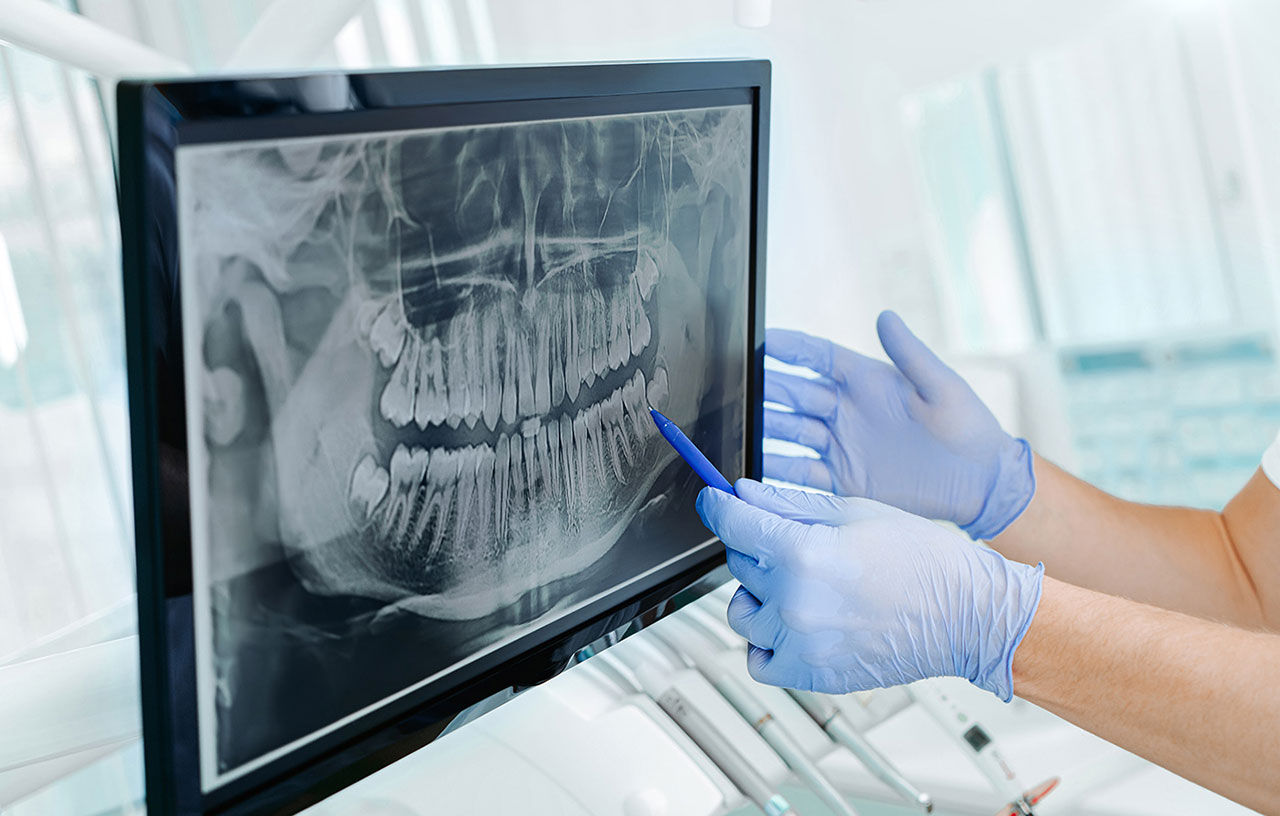
Dental imaging is an important part of this assessment. Depending on the case, three-dimensional imaging may be recommended to evaluate bone height, width, and nearby anatomical structures.
For example, implant placement in the upper back jaw may require careful evaluation of the maxillary sinus. Meanwhile, lower jaw treatment may involve assessing the location of important nerves.
The dentist also considers the size and position of the proposed implant, the final restoration, and the forces the implant will need to support.
Consequently, bone grafting recommendations are based on the complete treatment plan rather than a single measurement.
Signs You May Need Bone Grafting Before Dental Implants
There are several circumstances in which additional bone support may be considered. However, none of these factors automatically means grafting will be required.
You Have Been Missing a Tooth for Several Years
Bone changes can occur after tooth loss. The longer an area remains without a natural tooth, the more important it may be to evaluate the available bone before implant placement.
You Have Experienced Advanced Gum Disease
Periodontal disease can damage the tissues and bone supporting natural teeth. If significant bone loss has occurred, it may affect future tooth replacement options.
You Had a Tooth Removed Because of Infection
Some dental infections can affect the surrounding bone. Depending on the extent of damage, additional treatment may be necessary before an implant can be placed.
Your Jawbone Is Naturally Narrow
Some patients have anatomical features that provide limited space for certain implants. This does not necessarily indicate disease or poor oral health.
You Have Experienced Dental Trauma
An injury involving the teeth or jaw can sometimes affect the bone available for future restorative treatment.
Ultimately, imaging and professional evaluation are needed to determine whether any of these circumstances actually require grafting.
Benefits of Bone Grafting Before Dental Implants
When bone grafting is clinically appropriate, it may provide several important advantages for implant planning and oral rehabilitation.
- Additional bone support: Grafting can help rebuild areas where existing bone is insufficient for the proposed implant.
- Improved implant planning options: Additional bone volume may allow a more appropriate implant position in selected cases.
- Preservation of extraction sites: Certain grafting procedures may help reduce bone-volume changes after tooth removal.
- Support for restorative treatment: Adequate bone can contribute to the foundation needed for a properly planned implant restoration.
- Addressing localized bone defects: Grafting may help manage certain areas affected by tooth loss, trauma, or disease.
- More individualized treatment: Grafting allows the dentist to consider ways of improving anatomical conditions rather than automatically ruling out implant treatment.
Although these benefits can be meaningful, grafting does not guarantee implant success. Healing, medical factors, oral hygiene, and other aspects of treatment remain important.
What Types of Dental Bone Grafting Are Available?
Different grafting approaches may be considered depending on where bone is needed and what treatment is planned.
Socket Preservation
Socket preservation may be performed after a tooth extraction to help maintain bone volume in the area. Grafting material is placed in the extraction socket according to the treatment plan.
Although this approach may reduce certain changes after extraction, it does not eliminate all natural bone remodeling.
Ridge Augmentation
Ridge augmentation is used when additional bone width or height is needed in an area of the jaw. The procedure is planned around the existing anatomy and the desired restorative outcome.
Sinus Augmentation
In selected upper-jaw implant cases, a sinus augmentation procedure may be considered when insufficient bone height is available beneath the maxillary sinus.
This is a specialized procedure, and candidacy depends on imaging, anatomy, and other health considerations.
Not every practice performs every grafting technique. Your dental provider can explain which procedures are available and whether referral to a specialist is appropriate.
Can Bone Grafting and Implant Placement Happen at the Same Time?
Sometimes. In selected cases, an implant can be placed while grafting is performed around an area that needs additional support.
However, this approach is not appropriate for every patient. If the existing bone cannot provide sufficient initial implant stability, grafting may need to heal before implant placement is attempted.
For other patients, no grafting may be necessary at all.
The decision depends on bone anatomy, the type of defect, implant position, surgical planning, and the expected healing response.
Rather than assuming that combining procedures is always better, patients should understand why a particular sequence is being recommended.
How Long Does Bone Grafting Take to Heal?
Bone graft healing occurs gradually. Depending on the procedure, graft material, individual health, and treatment objectives, the area may require several months before it is ready for the next phase of implant treatment.
Some procedures involve relatively small areas, while others require more extensive rebuilding. Consequently, healing timelines can differ significantly.
Your dentist may use follow-up examinations and imaging to evaluate the grafted area before proceeding.
It is important to distinguish between initial soft-tissue healing and deeper bone remodeling. The gums may appear healed before the underlying grafted area has completed the changes needed for implant planning.
Following post-operative instructions, maintaining appropriate oral hygiene, and attending recommended follow-up appointments can help support recovery.
Does Dental Bone Grafting Hurt?
Dental bone grafting is generally performed using appropriate anesthesia and comfort measures. The experience varies depending on the extent of the procedure, the location, and the patient’s individual circumstances.
Some swelling, tenderness, or discomfort may occur during recovery. Your dental team can explain what is expected and how to manage symptoms safely.
Patients who feel anxious about oral surgery should discuss their concerns before treatment. Red Bluff Dental Care also offers IV and oral sedation for appropriate patients and procedures following evaluation.
Sedation suitability depends on medical history, the planned treatment, and other safety considerations.
It is also important to contact your dental team if pain becomes severe, swelling increases unexpectedly, or other concerning symptoms develop after surgery.
What Happens If You Do Not Have Enough Bone for Implants?
Insufficient bone does not necessarily mean dental implants are impossible. In some cases, grafting can improve the available support. In other situations, a different implant configuration or restorative approach may be considered.
However, some patients may not be suitable candidates for particular implant procedures because of anatomy, health conditions, or other factors.
Red Bluff Dental Care provides dental implant treatment and can discuss whether implant-supported tooth replacement is appropriate for your needs.
For patients missing many teeth, treatment planning may also include a discussion of All-on-X dental implants or other full-arch options.
Alternatively, removable restorations may be considered when implant treatment is not desired or appropriate.
The most useful approach is to compare realistic options based on your individual oral health rather than assuming that every missing tooth must be replaced with an implant.
How Can You Support Healing After a Bone Graft?
Follow the instructions provided by your treating dental team. These may include recommendations about diet, activity, oral hygiene, medications, and avoiding direct pressure on the surgical site.
Soft foods may be recommended during the initial healing period, particularly when chewing near the grafted area would be uncomfortable.
Additionally, smoking and nicotine exposure can interfere with normal tissue healing and may increase the risk of complications. Discuss tobacco or nicotine use with your dental provider before surgery.
Maintaining good nutrition and managing relevant medical conditions can also support overall healing.
Do not attempt to determine graft success based solely on how the area feels. Professional follow-up is important because the underlying bone changes cannot always be evaluated through symptoms alone.
Questions to Ask Before Dental Bone Grafting
If grafting is recommended, ask why additional bone is needed and what type of procedure is being proposed.
You may also want to understand the expected healing period, whether implant placement will occur at the same appointment or later, and what factors could affect the result.
Other useful questions involve the graft material, post-operative care, possible complications, alternative treatment options, and total treatment costs.
These conversations help you understand not only the grafting procedure but also how it fits into the larger plan for replacing missing teeth.
Planning for Dental Implants in Red Bluff
Bone grafting can be an important part of dental implant treatment when the jaw does not provide adequate support for the planned restoration. However, not every implant patient needs a graft. A thorough examination, appropriate imaging, and personalized planning are essential for determining whether additional bone is necessary.
If you are considering dental implants and want to understand your available bone support, contact Red Bluff Dental Care at (530) 527-2877 to Schedule a Consultation at 445 Elm Street in Red Bluff, CA.
Frequently Asked Questions About Bone Grafting
Does everyone need a bone graft before dental implants?
No. Bone grafting is considered when the available bone is insufficient for the proposed treatment. Many patients can receive implants without grafting.
Can you get a dental implant years after losing a tooth?
Sometimes. Bone volume may change after tooth loss, so an examination and imaging are needed to determine whether an implant is appropriate.
How long after bone grafting can an implant be placed?
The timeline varies according to the procedure, graft size, healing response, and treatment plan. Some patients need several months of healing before implant placement.
Is dental bone grafting always successful?
No procedure is guaranteed. Healing depends on the grafting technique, local anatomy, medical factors, oral health, and post-operative care.
Can you get implants without enough jawbone?
Additional grafting or alternative treatment approaches may be considered, but suitability depends on individual anatomy and health.
This article provides general dental information and is not a diagnosis or a substitute for an in-person examination. Treatment recommendations, eligibility, and recovery instructions vary by patient.
Questions about your dental care?
Schedule a personal consultation at Red Bluff Dental Care.